Can Millinery Tradition and Innovation Coexist?
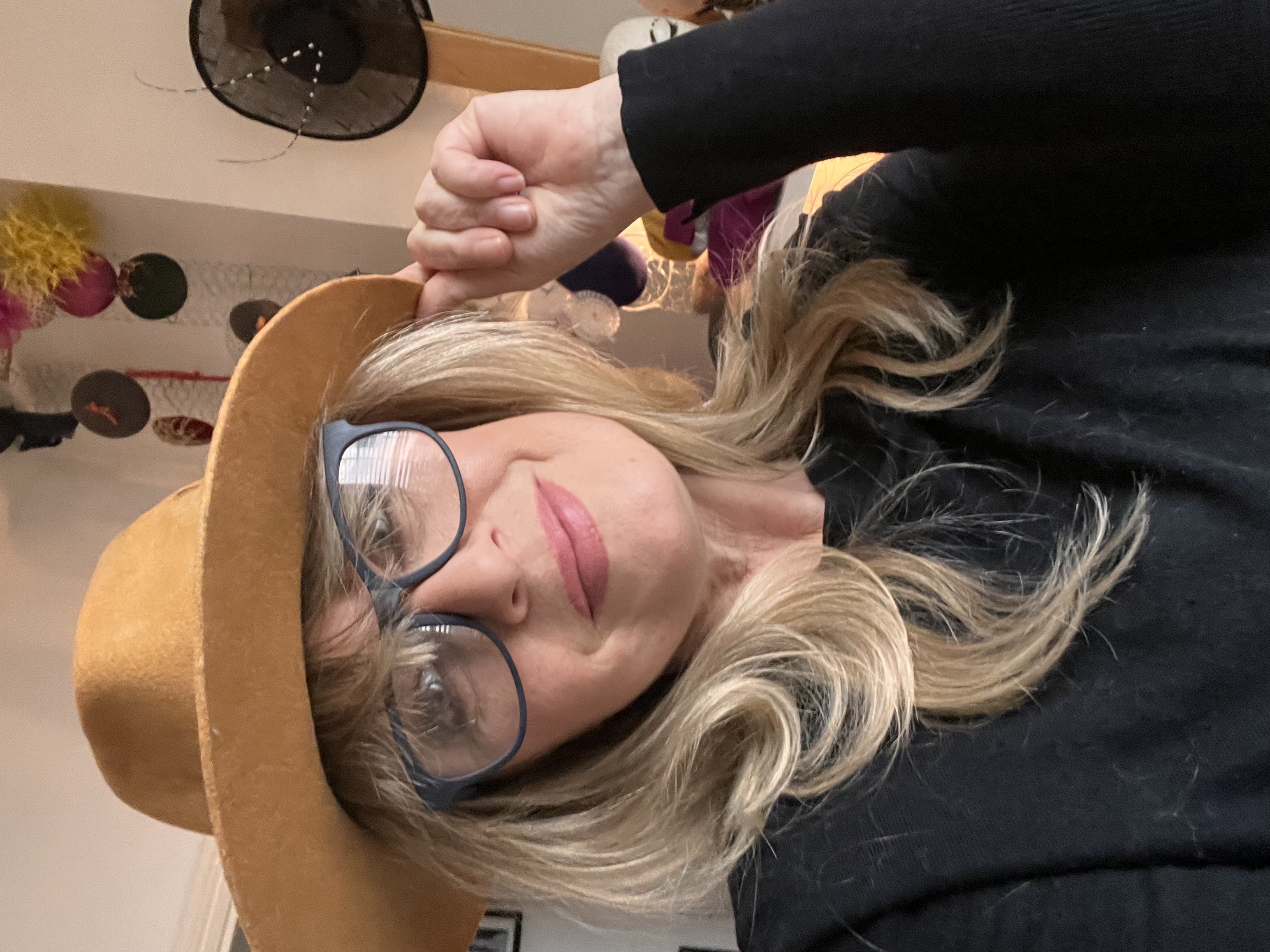
How respecting the foundations of the craft does not mean resisting new materials, techniques or ideas.
Millinery is a craft built upon tradition, with its foundations passed down from one maker to another through demonstration, repetition and knowledge held in the hands of today’s makers. Blocking, wiring, stiffening, shaping and hand-finishing are not simply methods of construction; they form part of the language of millinery.
With this in mind, the craft of millinery is also a form of design—and, as time has proven, design cannot stand still.
As materials, fashion and the way we live continue to shift, so too must our understanding of what millinery can be. This can create a perceived divide between traditional craftsmanship and innovation, as though respecting one requires us to reject the other. I do not believe that it does. Perhaps the most interesting contemporary millinery happens where the two meet.
Tradition gives us a foundation.

There is immense value in learning established millinery techniques properly. Understanding how felt or straw behaves under steam, how a brim should be wired, how tension affects a fabric covering, or how a hat should be balanced on the head, gives a maker far more than the ability to reproduce a particular style. Different materials can respond very differently to the same block shape, and some seem to have a mind of their own. As part of the learning process, a maker must also recognise when to stop forcing a predetermined outcome and take a more organic approach.
Together, these practical skills develop a deeper appreciation of structure, proportion and material behaviour. They teach us not simply how something is made, but why it works.
This knowledge becomes particularly important as we begin to experiment. When we understand the principles behind a technique, we can make an informed decision about when to follow it, when to adapt it and when another method might serve the design more effectively.
Tradition, at its best, is not a set of rules intended to restrict creativity. It is a vocabulary. The more fluently we understand it, the more confidently we can use it to say something of our own.
Innovation is not the rejection of craftsmanship.
The word “innovation” can sometimes suggest abandoning traditional skills in favour of novelty. But using an unfamiliar material or contemporary process does not automatically diminish craftsmanship. What matters is understanding both traditional and innovative approaches, and then applying them with thought, skill and intention.
Thermoplastics, for example, offer very different possibilities from felt or straw. They can be shaped and manipulated in ways that allow a maker to explore form from another perspective. Unconventional fabrics, surface treatments and construction methods can introduce new textures, movement and visual effects.
These materials do not need to replace traditional ones; they can sit beside them, support them or be combined with them. A piece might begin on a traditionally blocked base and develop through a more experimental surface treatment. A contemporary structure may still rely upon hand-covered edges, carefully considered balance and meticulous finishing.
The presence of a new material does not remove the maker’s hand. In many cases, it asks the maker to develop an entirely new sensitivity to it: how it behaves, where its limits lie and how it can be controlled without losing the spontaneity that made it interesting in the first place.
Technique should serve the design.

It is easy to become attached to a technique simply because we enjoy using it—or because it is the method we know best. But the starting point should always be the idea.
What does the piece need to do? How should it sit, move or be experienced? Which material will create the right line, weight, texture or sense of scale? Millinery is, in part, a form of creative engineering and, as such, requires continual learning, testing and adaptation.
Sometimes the answer will be found in a time-honoured process. At other times, the design may require us to experiment or to borrow knowledge from another creative discipline. The most appropriate technique is the one that allows the idea to be realised with integrity.
This is where traditional knowledge becomes liberating. It gives us a strong point of reference from which to develop new ideas. Rather than experimenting blindly, we can recognise what we are changing and understand the effect of that choice.
Keeping the craft relevant.
Hats no longer occupy the same place in everyday dress that they once did, but that does not make millinery less relevant. It means contemporary makers must continue to consider how hats relate to the people who wear them now.
A modern client may be drawn to the workmanship of a hand-blocked and hand-finished piece, while also wanting something that feels fresh, individual and connected to contemporary fashion. Preserving the skills of the craft is therefore not only about looking backwards. It is about using them to make work that speaks to the present.
Innovation also allows millinery to enter new creative conversations. Developments in materials and construction can expand what is possible in fashion, performance, costume and wearable art. They encourage makers to question familiar proportions, reconsider the relationship between the hat and the body, and explore the space surrounding the wearer.
This does not threaten the identity of millinery. It demonstrates its breadth.
Learning from both.
Curiosity is essential to both preservation and progress. Traditional skills survive because they are practised, shared and taught. Innovation develops because makers remain open to testing what else might be possible.

Experienced milliners give us access not only to technique, but to generations of accumulated problem-solving. That knowledge must then be developed through dedicated self-learning: time at the workbench spent experimenting, observing, testing, failing, adjusting and discovering. Becoming accomplished in millinery takes time, patience and hard work; it is through continued practice that technique gradually becomes instinct.
Both require patience. Both require respect for, and an understanding of, materials and processes. Both demand a willingness to look closely at how and why something has been made.
Perhaps the real question is not whether a milliner chooses tradition or innovation, but whether each material and technique has been chosen with purpose.
When we understand the traditions of our craft, we gain a firm grounding from which to build. When we remain open to innovation, we allow that craft to continue evolving rather than becoming fixed in time.
Millinery can—and should—have both. Its traditions give the craft its depth; innovation gives it new directions in which to grow.
Meet Rachael @ Rachael Clunie Millinery

Rachael’s creative roots began long before millinery. With a background in dance and the stage, followed by many years working within the events industry, she developed an instinct for drama, proportion and visual impact that would later become an integral part of her design language.
Her journey into millinery began in 2019, studying traditional techniques with milliners including Tracy Chaplin, Katherine Elizabeth and internationally renowned designer Maor Zabar. What began as a fascination with the craft quickly developed into a new creative direction, and Rachael Clunie Millinery was launched in 2020.
Drawn to sculptural form and unconventional detail, Rachael takes inspiration from nature, architecture, modern art and her theatrical background. Traditional techniques provide the foundation, but experimentation is central to her work — manipulating materials, challenging their expected use and allowing a design to evolve through the making process.
In 2021, Rachael was awarded a prestigious QEST Scholarship, enabling her to further develop her skills and continue her commitment to excellence in British millinery.
Recognition & Highlights
Rachael’s work has been recognised through awards, exhibitions and invitations to showcase her millinery at prestigious events and retailers across the UK.
QEST SCHOLAR
Awarded a scholarship by the Queen Elizabeth Scholarship Trust, supporting excellence and the preservation of British craftsmanship.
PRESTIGE AWARDS
Bespoke clothing brand of the year 2022/2023
JOHN LEWIS, OXFORD STREET
Selected to exhibit her millinery at the John Lewis flagship store on Oxford Street as part of the celebrations marking Queen Elizabeth II’s Platinum Jubilee.
ROYAL WINDSOR HORSE SHOW
Designer and exhibitor at the prestigious Royal Windsor Horse Show, showcasing Rachael Clunie Millinery alongside leading British luxury and lifestyle brands.
ELYS OF WIMBLEDON
Invited Guest Designer at Elys of Wimbledon as part of the iconic department store’s 150th anniversary celebrations.
MADE BRIGHTON
Selected exhibitor at MADE Brighton, showcasing contemporary millinery alongside leading artists, designers and craftspeople.
Beyond the Hat
Alongside her design work, Rachael has developed a growing programme of millinery workshops, specialist masterclasses and residential retreats, creating opportunities for others to explore the craft in an inspiring and highly creative environment.
Passionate about keeping millinery skills alive while encouraging experimentation and new ideas, Rachael brings together traditional techniques, contemporary approaches and exceptional teaching — both through her own workshops and through collaborations with leading milliners and specialist Guest Designers.
Her Luxury Millinery Retreats take this a step further, combining intensive creative learning with beautiful surroundings, exceptional tutors and time to completely immerse yourself in millinery.
For Rachael, teaching is not simply about learning a technique. It is about bringing people together, exchanging ideas and creating the space and confidence to discover what might be possible.
Workshops by Rachael Clunie Millinery:
Current workshop:
See here for complete list of workshops: https://www.rachaelcluniemillinery.com/millineryworkshops
Millinery Retreats

Rachael Clunie's Millinery Retreats are immersive, intimate experiences created for milliners and passionate creatives who want to step away from everyday life and completely immerse themselves in their craft.
Set in beautiful surroundings, our retreats combine expert millinery tuition, inspiring guest designers, exceptional food and time to relax, connect and create.
These are not simply millinery courses. They are opportunities to learn from exceptional makers, discover new techniques, explore your creativity and spend time with like-minded people in inspiring surroundings.
See here previous retreats and how to book the upcoming retreats:

Comments